

Small businesses and nonprofit organizations are an important part of Wisconsin’s local economies. Yet they often have limited access to professional development that is close to home, within their budget, and meets their professional needs. Extension educators help shape professional development opportunities for educators, farmers, community leaders, care providers, and the professions that support them. By having access to best practices and research updates, local professionals are more equipped to foster healthy and thriving communities.
Training and collaboration for Nonprofits
Brown and Kewaunee Counties consider their nonprofit organizations an important part of their economic development and social safety net. “People sometimes forget that nonprofits include the Humane Society, the Community Band, Friends groups, and Downtown organizations. Even the Green Bay Packers are a nonprofit organization. Our nonprofits help people in need. They also make our community a place people want to call home,” said Patrick Nehring, professor and Community Development educator in Brown and Kewaunee Counties.
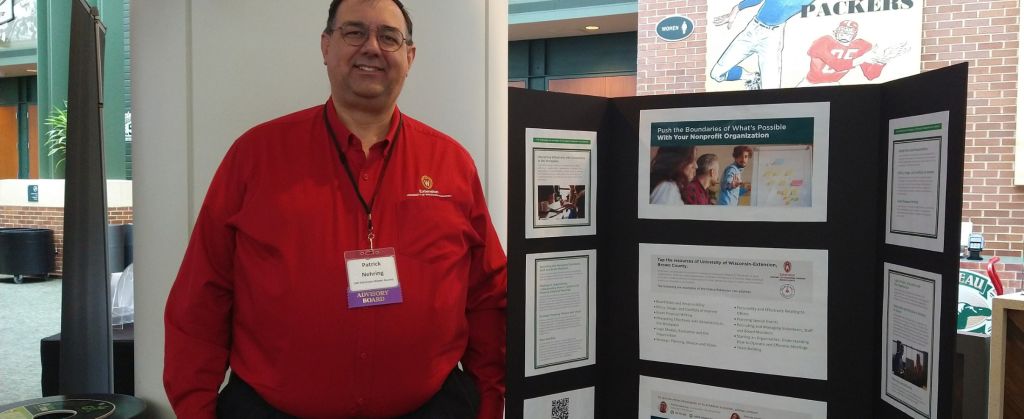
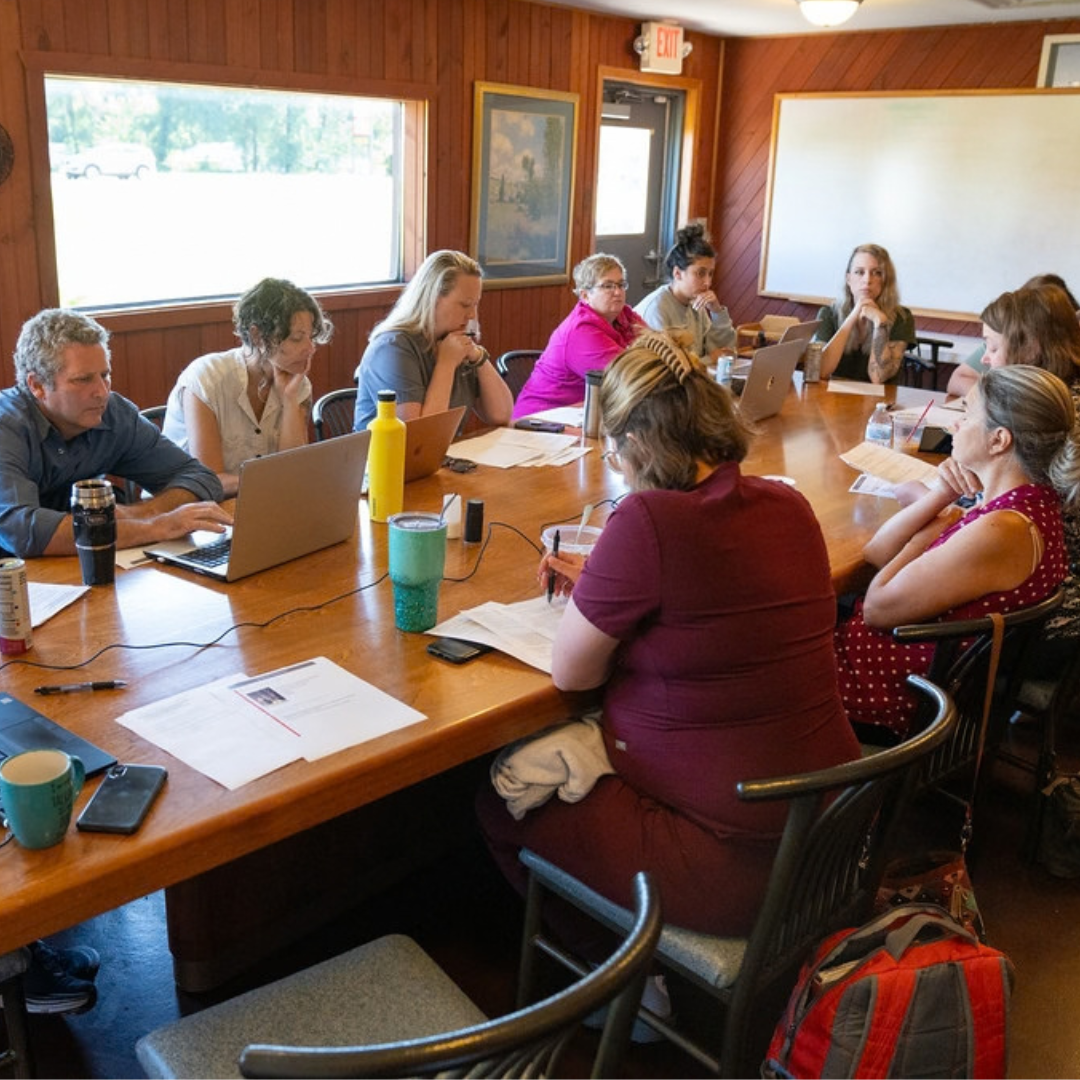
Nehring supports nonprofits from setting up new organizations correctly to providing ongoing professional development. “There are a lot of programs that help businesses succeed, but that same infrastructure does not exist for nonprofits,” he said. Nonprofit employees can take courses at UW-Green Bay, but they often struggle with implementing those ideas within their own organization. Nehring is the next step. He provides customized training for the entire organization so everyone learns the same information, and helps them figure out the best way to implement the concepts in their specific context.
Beginning in 2020, Nehring worked with UW-Green Bay to provide ongoing professional development opportunities for nonprofits with small teams and limited resources. The Nonprofit Leader Conversations series addresses topics that local nonprofits request. Since beginning, he has seen an increase in multi-agency projects, allowing for more complex programming that would not be possible for one organization alone. It has also encouraged nonprofits to work together on grant applications, bringing in new funding while also decreasing duplication of services.
Keeping Agronomists up-to-date
Wisconsin farms rely on a team of professionals to help with nutrient management, business practices, animal care, and more. Agronomists and farm consultants provide individual farms with specific farm management recommendations based on soil test results, weather conditions, geography, etc. Extension provides resources and training opportunities to agronomists so they have up-to-date research to help farmers make the best decisions.
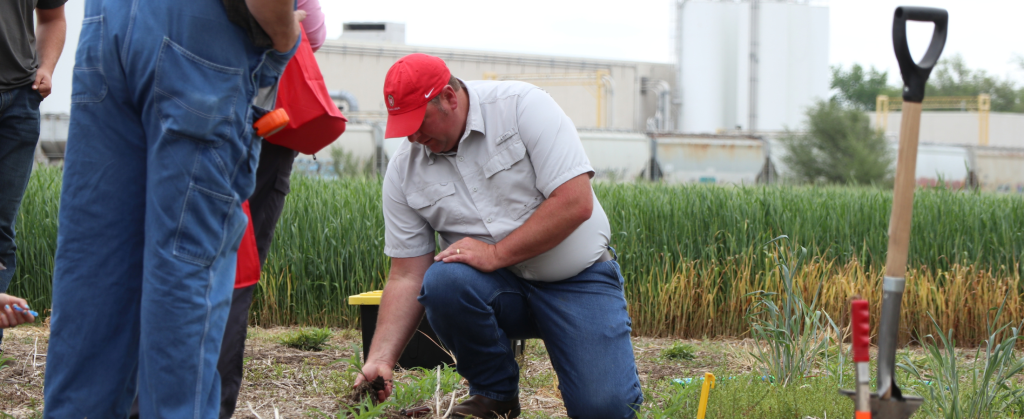
Our Foundational Crop Scouting Training course provides educational materials and hands-on training in pest identification, crop stand assessment, and soil sampling basics. “Knowing how to properly crop scout aids with early detection of pests and nutrient deficiency symptoms, which feeds into proven economic thresholds that promote profitable crop production,” said Josh Kamps, Regional Crops and Soils Educator in Jefferson, Rock and Walworth Counties. “Participants learn to correctly identify what is happening in the field so they can make recommendations that balance profitable crop production with environmental stewardship for the farmers they serve.”
Through seasonal updates like the Badger Crop Connect webinar series and the Ag Weather Outlook report, consultants learn timely crop production trends and receive information on how current weather conditions may affect crop production. Through Extension’s on-farm research opportunities, Extension specialists support agronomists in developing research questions with farmer clients. “These Extension programs support crop consultants with making important recommendations on soil and cover crop management, nutrient management, and pest management, which are vitally important to farmers as they navigate the many decisions necessary each season to sustain their businesses while providing food, fiber, and fuel for residents of Wisconsin and beyond,” said Kamps.
Supporting childcare providers
Quality early care and education during the critical birth-to-five period supports children’s short- and long-term learning, growth, and development. For childcare professionals, continuing education is a powerful way to build the knowledge and skills that directly impact their morale, teaching quality, learning environments, and, ultimately, children’s development.
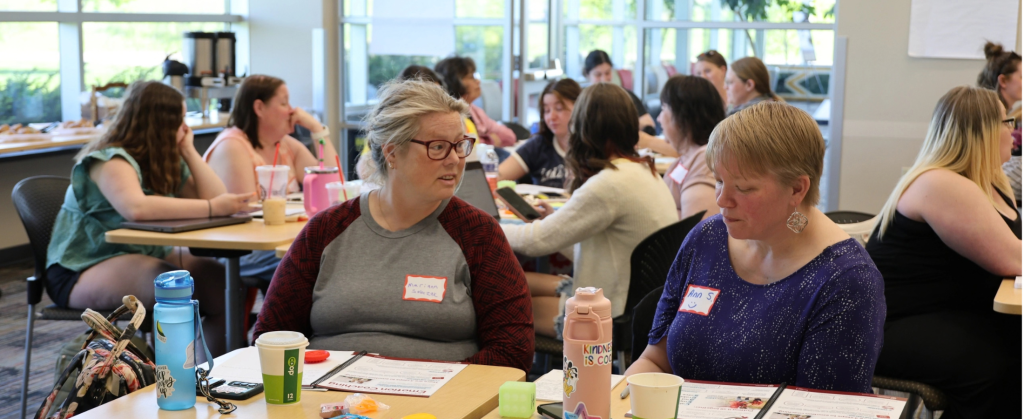
“From conversations with professionals across Wisconsin, we learned this workforce wants to be valued for the professionals they are – hardworking and deeply committed to the children and families in their care. However, they need better support. They want high-quality training that’s locally accessible and anchored in the foundational content of their field, such as differences in child development, strategies to engage families, and adaptations to learning environments that meet the needs of all children,” said Lindsay Weymouth, Family Engagement & Relationships Program Manager and a co-author of “Continuing Education for an Essential Workforce.”
Based on those findings, Extension received a Reilly-Baldwin Wisconsin Idea grant to fund in-person regional workshops at seven locations throughout Wisconsin (including one virtual option). Nearly 350 registered, and Extension conferred over 1,200 hours of continuing education. In addition to learning new strategies, they built their support network by connecting with other providers and their local Child Care Resource and Referral agency. More workshops are planned for 2027 and will focus on evidence-based practices to address challenging behavior in children.
More professional development programs:
Building Wisconsin’s Forestry Workforce
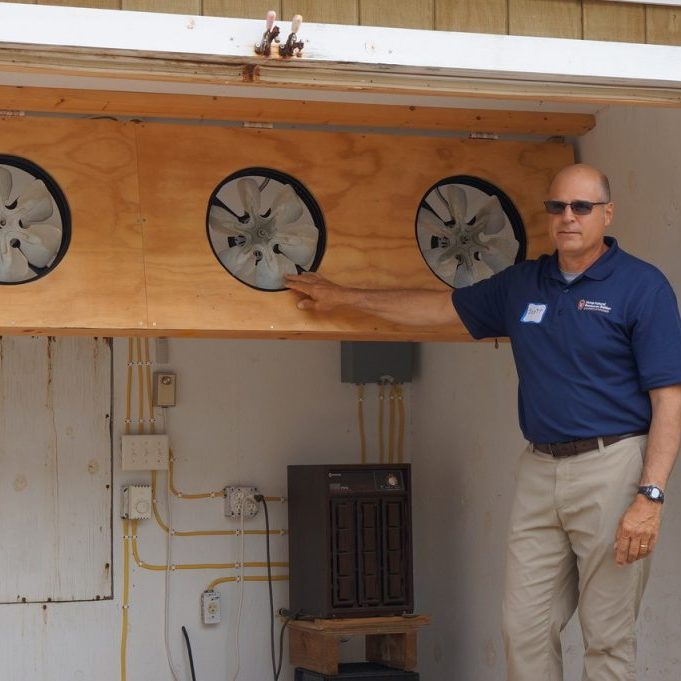
From sawmills and manufacturing facilities to logging operations and forest 0management organizations, employers across Wisconsin face growing demand for skilled workers. UW–Madison Division of Extension is working to address this need.
Indigenous Producer Academies
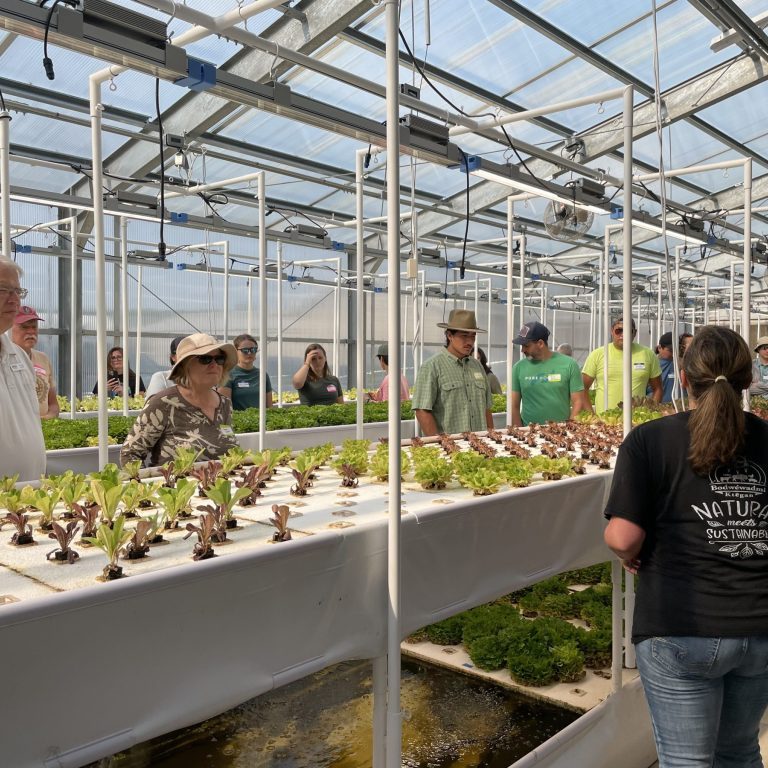
The Indigenous Food System Resilience Project. We are engaged in collaborative, intertribal partnerships that are helping provide the training needed for Tribal producers to succeed, expand their operations, and for new people to become producers.
Strengthening local voice in public health planning

The Regional Community Health Team (RCHT) is a new initiative to provide training, technical assistance, and resource support to build capacity of community-based collaborators in identifying and responding to community-driven health priorities.
Certified Farm Succession Counselor program
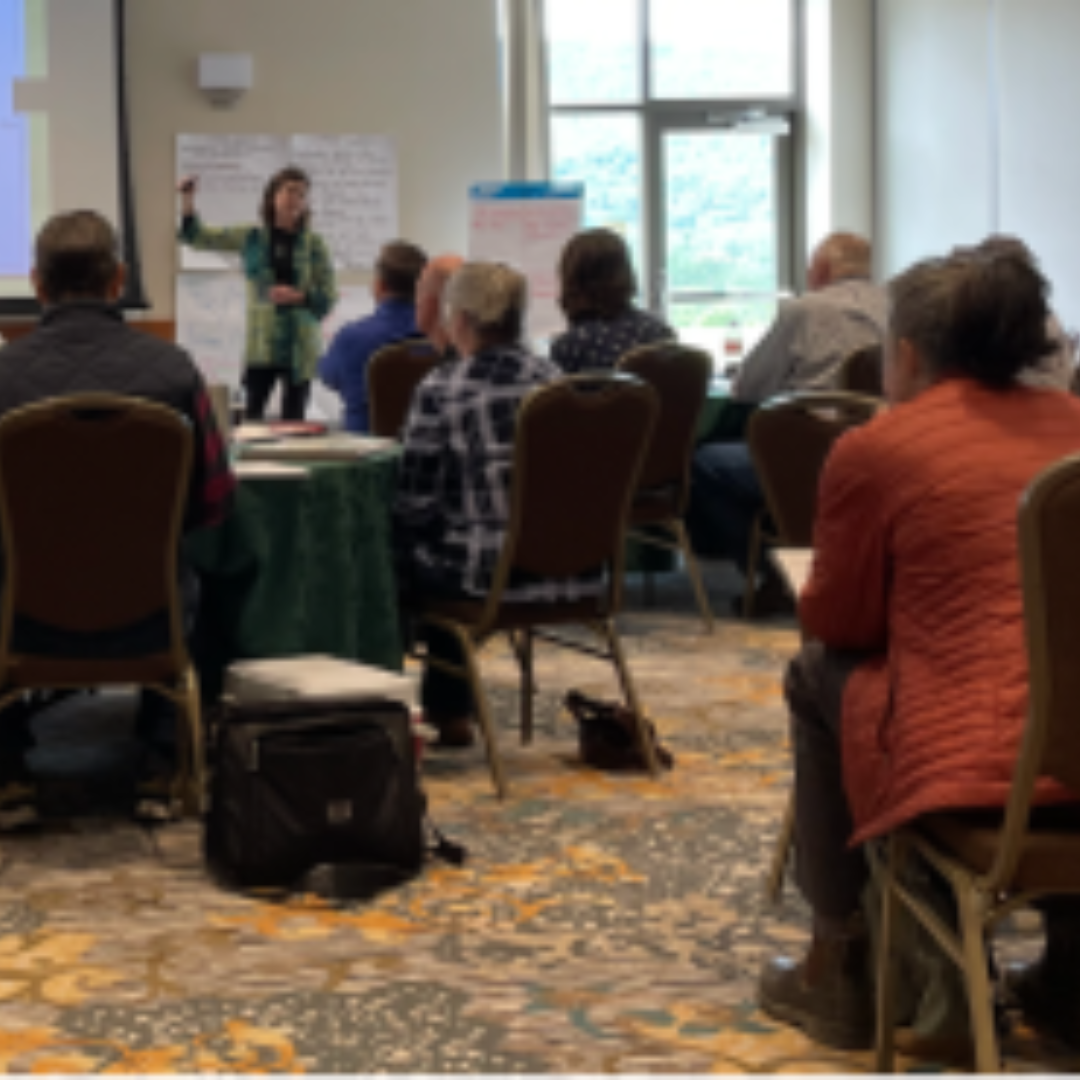
Provides the facilitation tools and skill-building to improve service providers’ ability to lead a structured process resulting in better informed business and estate planning decisions.
Financial resources for the helping professions
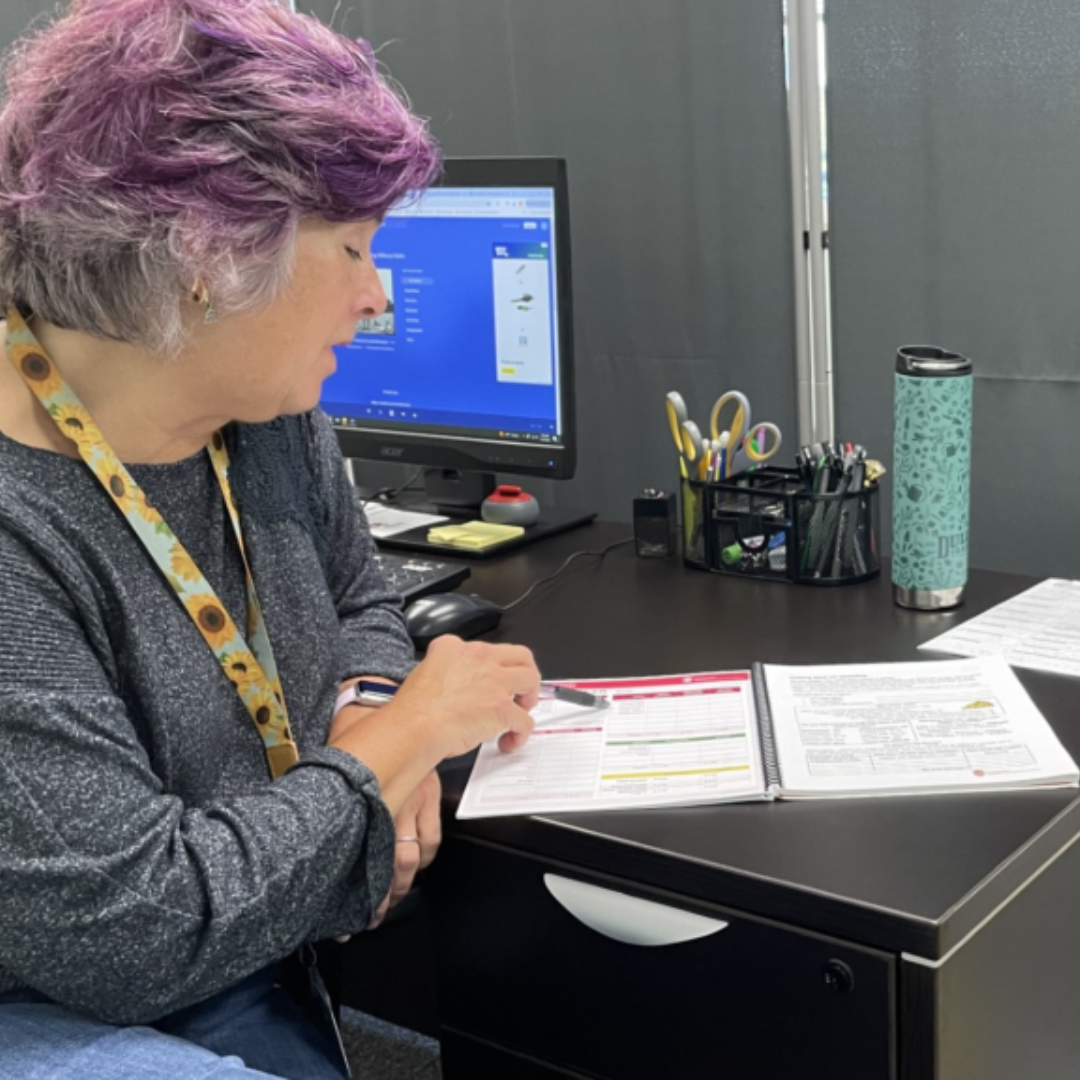
Providing those in the helping professions with tools and resources to coach their clients on financial problem-solving, spending plans, protecting their identity, and more.
Improving Milk Quality & Udder Health
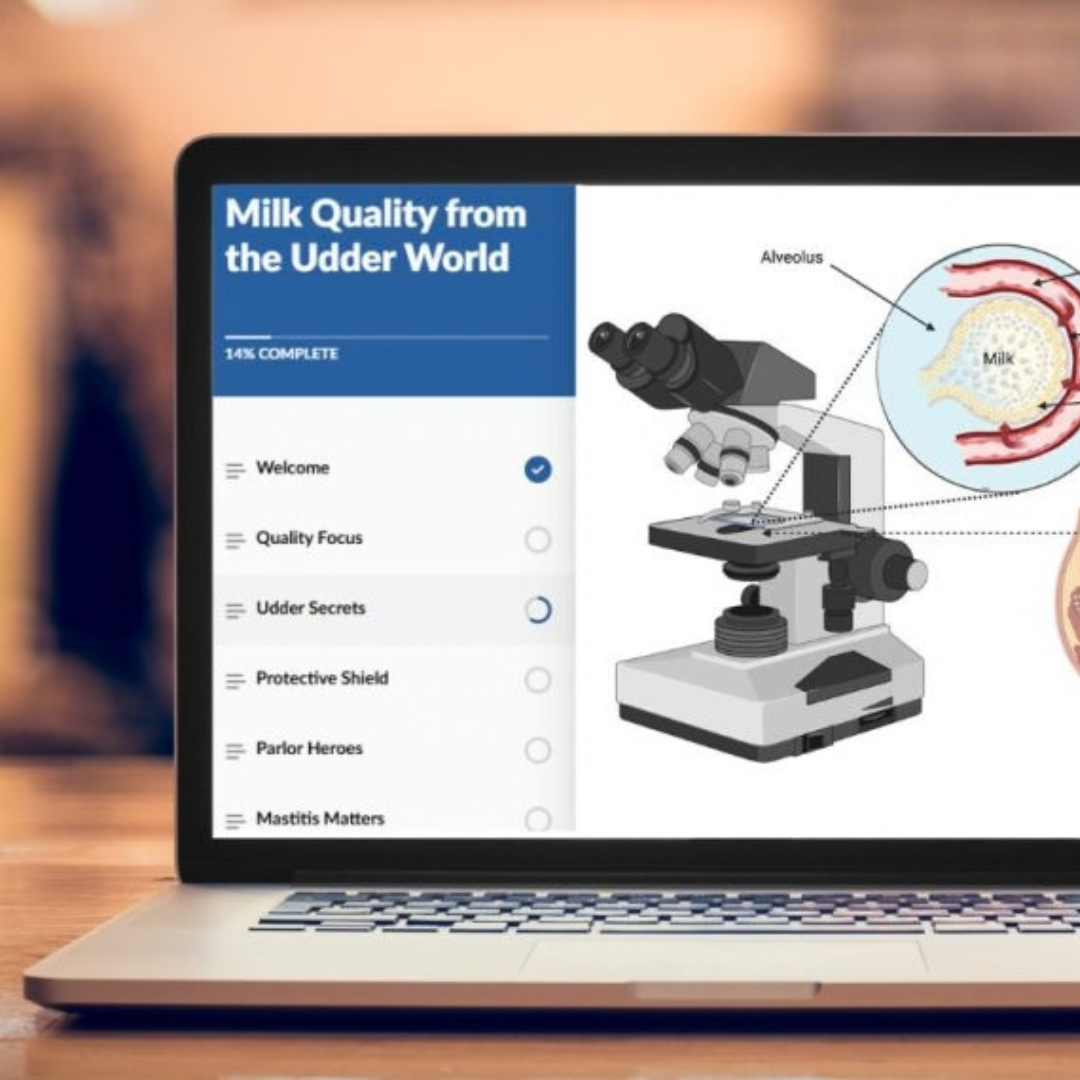
A course for those who train dairy farm teams that provides practical tools and knowledge to improve milk quality and udder health.
Sauk County Institute of Leadership
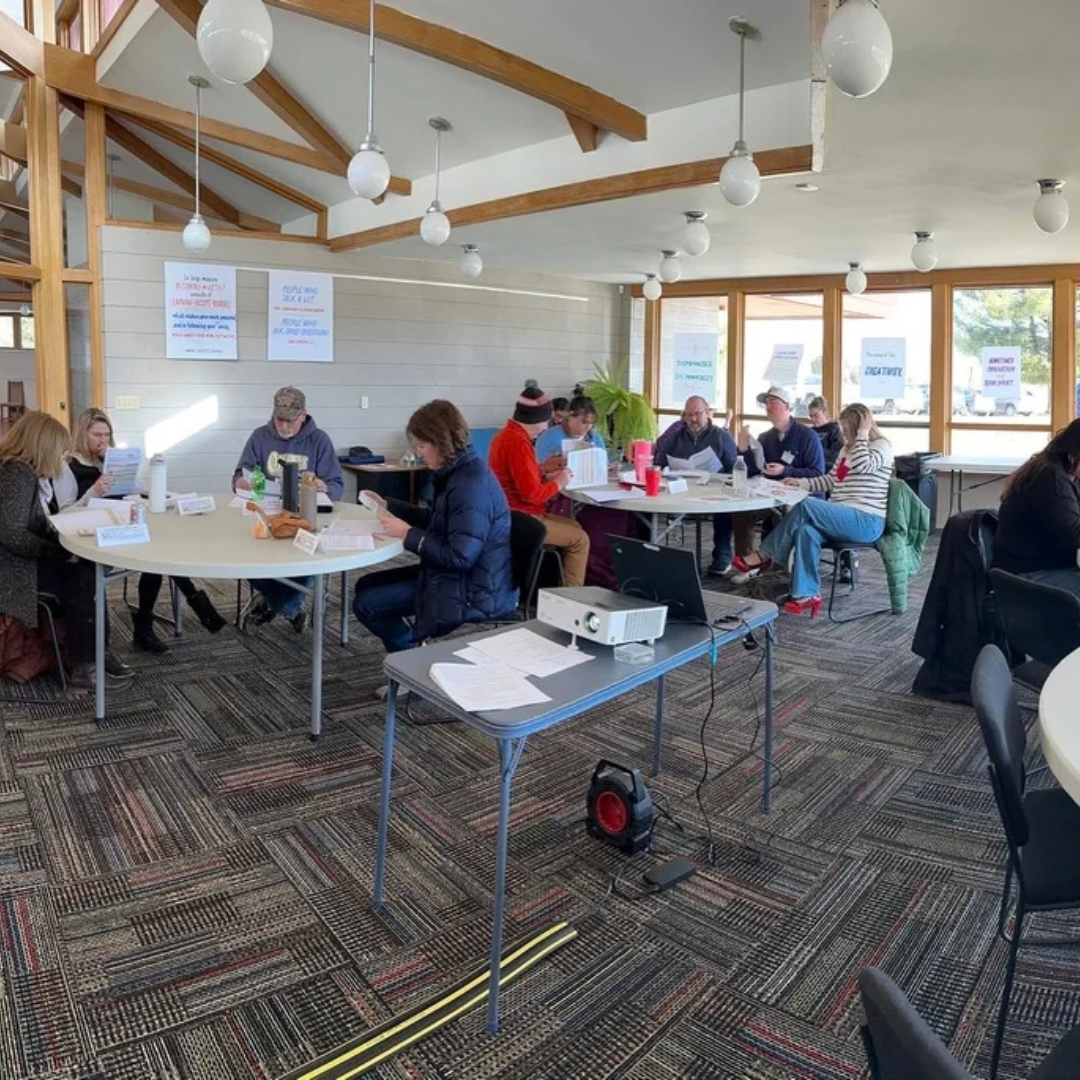
An educational program where individuals practice leadership skills, deepen their understanding of community issues, and prepare for leadership roles in Green County.
Green County Leaders
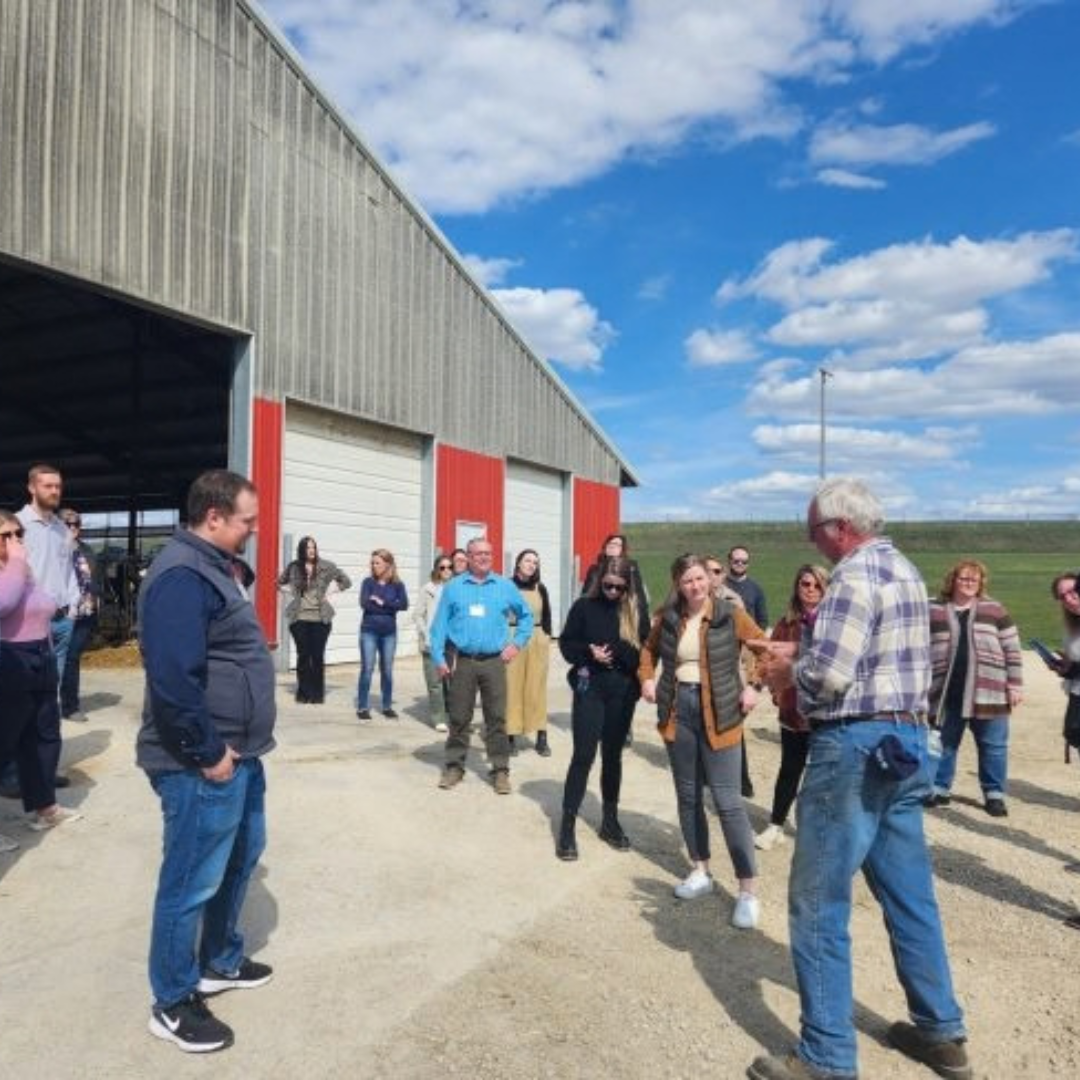
An educational program where individuals practice leadership skills, deepen their understanding of community issues, and prepare for leadership roles in Green County.
Certified Public Manager program
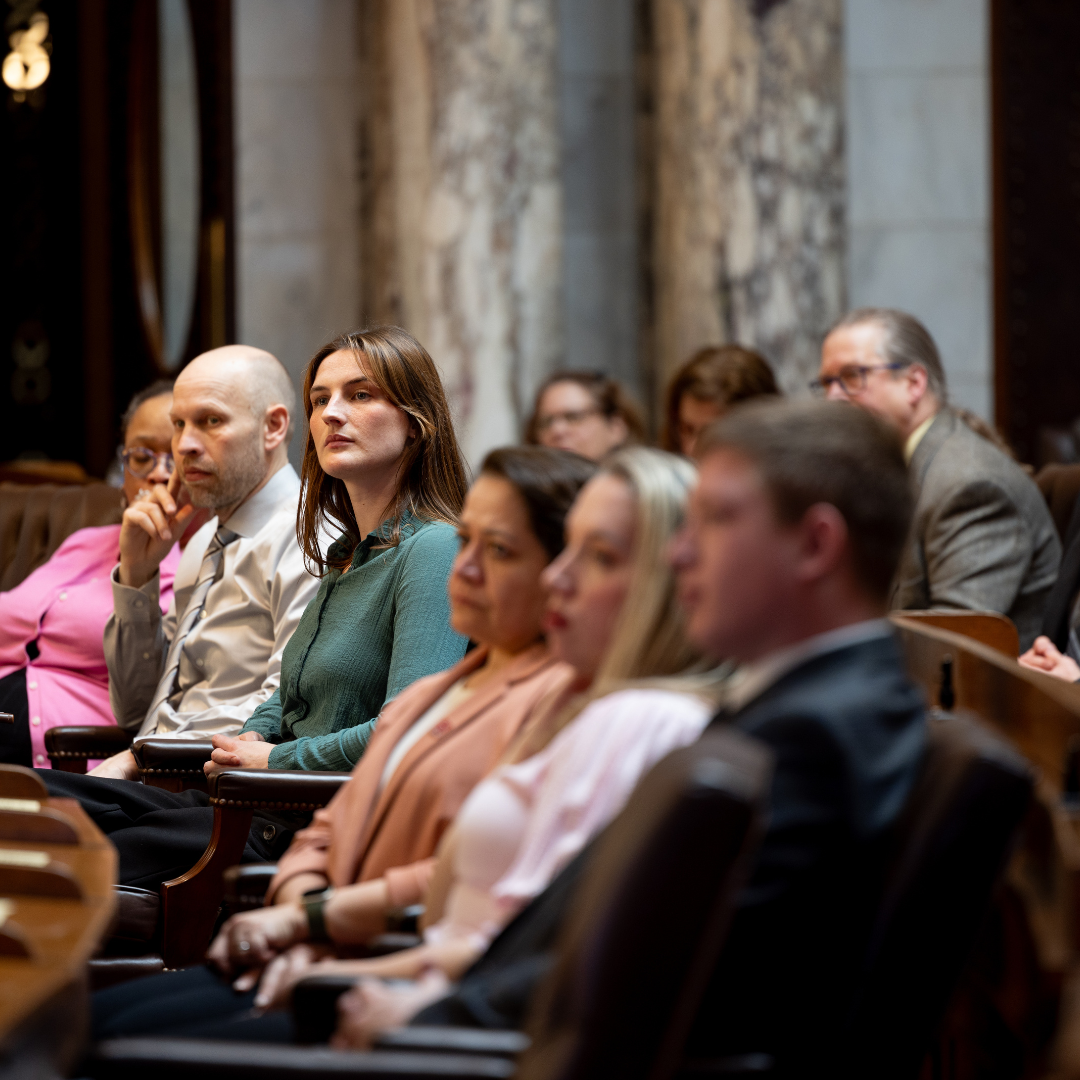
A nationally accredited program that prepares managers in government and in tribal and nonprofit organizations for the demands of the public management.
Local Government Leadership Academy
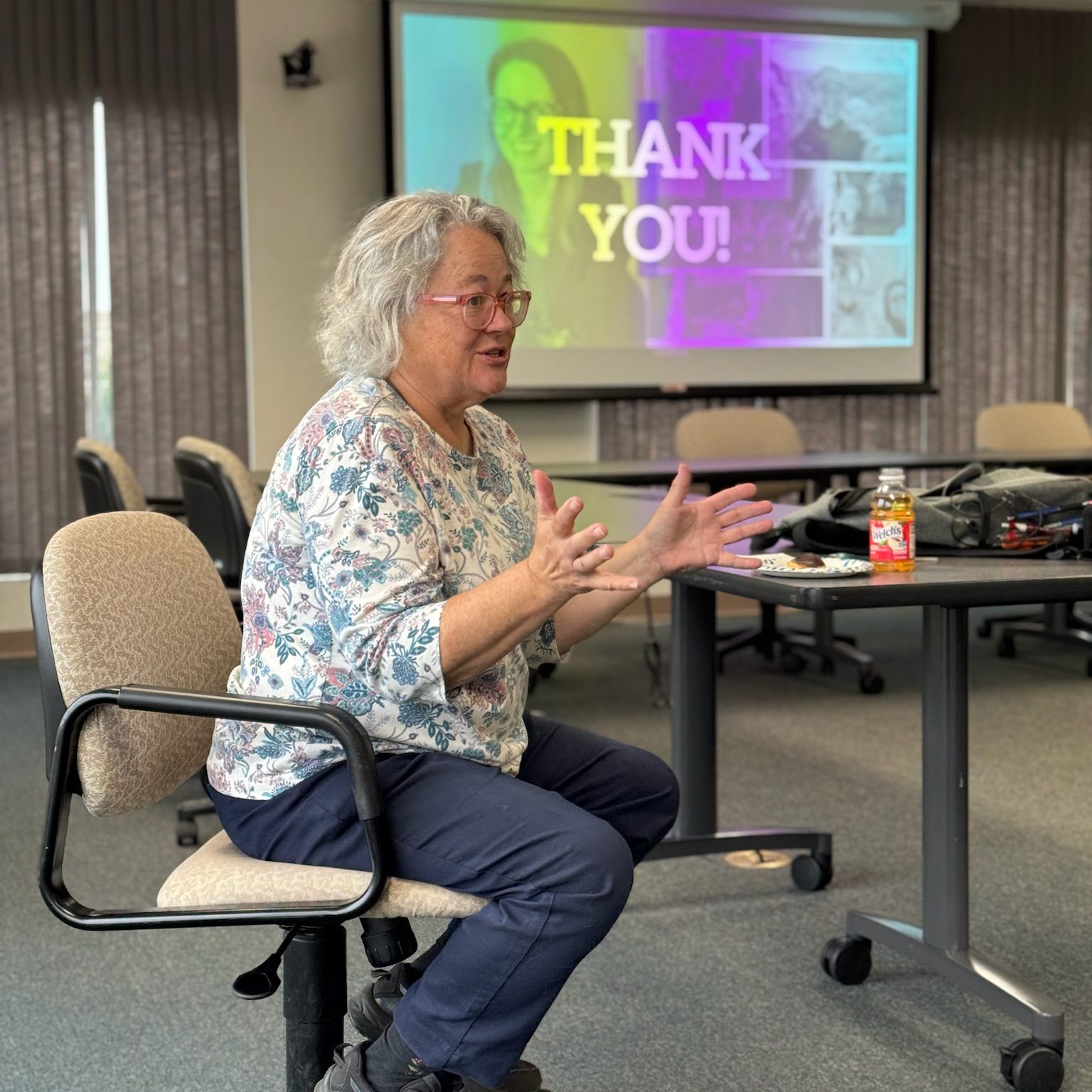
A nine-month, cohort program that includes in-person workshops, virtual sessions, online self-study, and goal-setting to develop local government leadership skills.
Cooperative Board Ready
A five‑part training series for new Co-op Directors from every cooperative sector that covers fiduciary duties, finance basics, tools for effective meetings, and more.